Riley Sterling
Wilderness & Trails Intern
62 Ridge Super Crew
6/17/26 – 6/24/26
Selway-Bitterroot Wilderness
Boots on the ground are the backbone of trailwork. But what gives those boots the strength to leave their sleeping bags in the morning? Food. The longer I’ve spent at SBFC the more I’ve noticed people bringing one or two items that some ultralighters would consider heinous crimes. When asked, my coworkers often deem these items utterly essential for an eight day hitch. This is not to say that we are bringing things that we don’t need. In reality, after working a 10+ hour in the backcountry, our needs become very specific, and sometimes peculiar. Before each hitch I still weigh the pros and cons of every item. However, I often come to the conclusion: after a long day of hiking or trail work, that one extra pound seems like a good trade for a gourmet, non-dehydrated, meal.

Abe Wilkinson hiking up 62 Ridge to our campsite at Bear Wallow on Day 2 in the Selway Bitterroot Wilderness. We started down by the river! Photo Taken by Riley Sterling
Some go for the freeze dried backpacking meals, some surf the bulk food section at WinCo, and others eat exclusively ramen. And no one judges because we all know what it feels like to get back from a long day of work only to find that you only have the one meal you don’t want. The trick is to find what works, and sometimes it takes a little creativity and (*gasp*) a bit more weight to my pack.
After a deep dive on Reddit, and trial and error on a couple backcountry hitches I have come to the conclusion that the internet is not helpful, and word of mouth offers the most creative ideas.
This hitch, 11 of us hiked deep into the Selway Bitterroot Wilderness up to 62 Ridge to clear a section of the Idaho Centennial Trail. I asked my crew what unique items they brought, and the following list was the outcome.
1. A full rack of ribs
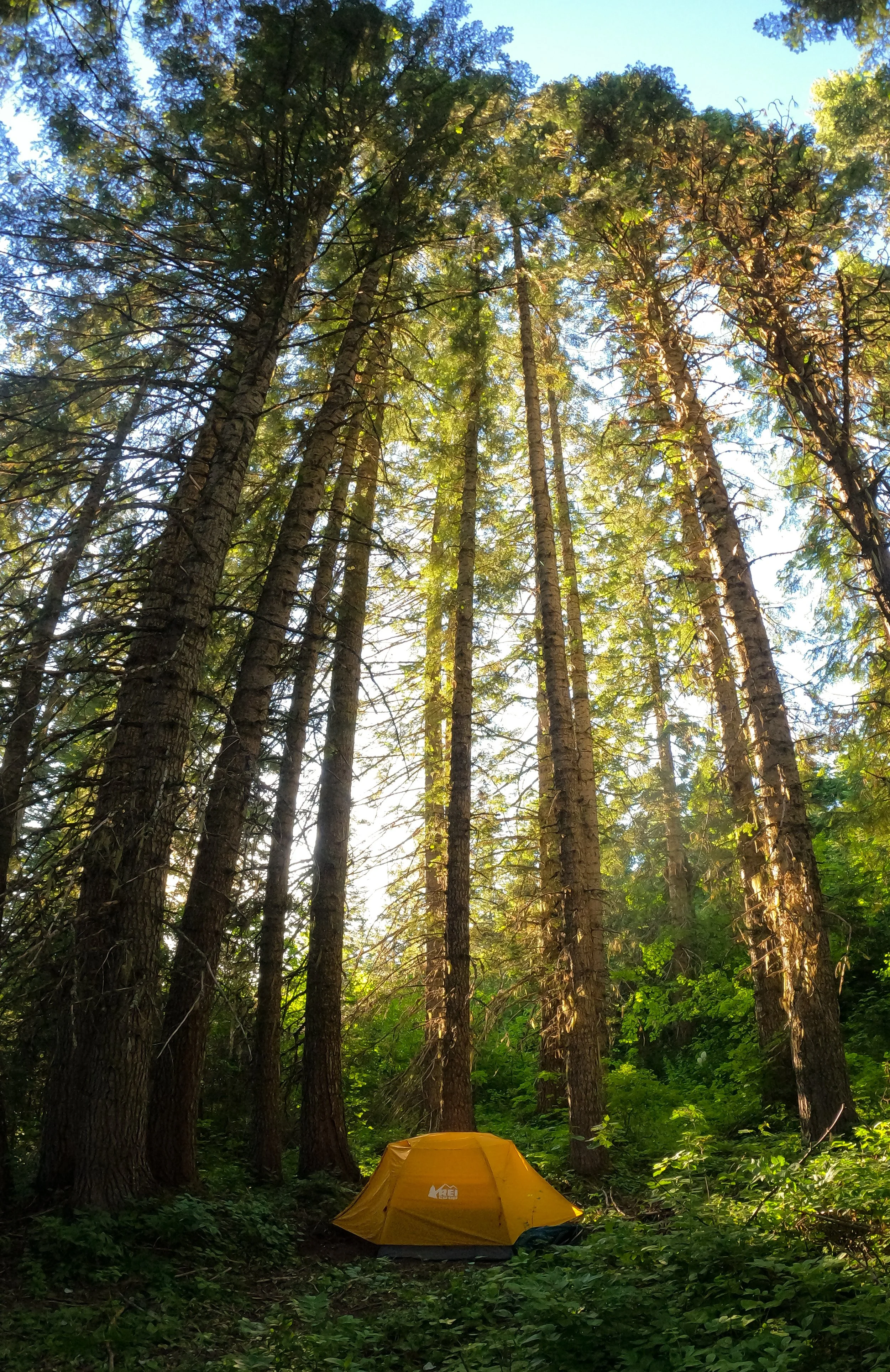
My tent at Bear Wallow on 62 Ridge in the Selway Bitterroot Wilderness. We stayed here almost every night on our 8-day hitch.
We spent the first two days of hitch hiking 17 miles into the Selway Bitterroot Wilderness. When we arrived at our campsite for the week, my crew lead pulled out a gallon Ziploc bag full of Costco ribs for dinner. Yes, they were bone-in, and yes, he carried the bones out. Let this serve as a reminder that backpacking food can be whatever you want it to be, and lighter isn’t always better. However, hikers beware! Cleetus (sasquatch expert and reliable source) says this may entice a sasquatch into your camp!
2. Trail sushi

Sophia Evans preparing “trail sushi” for lunch on 62 Ridge in the Selway Bitterroot Wilderness.
There are only so many options for lunches in the backcountry… If you aren’t creative enough. Much of the work we did on this hitch was brushing, and the amount of lopping we did demands something to look forward to throughout the day. One trail tech braved the daunting unknown and brought seaweed, packets of smoked salmon, furikake, mayo, and sriracha for every lunch. She cold soaked instant rice in a small container as well. Consider me impressed! Suffice to say, Reddit is not as all-knowing as I thought.
3. Olives and Sardines
Hydrated? Yes. Messy? Probably. Worth it? Assistant Crew Lead Nathan seemed satisfied. This was a part of another creative lunch idea. Why have another packet of bland tuna on a tortilla when you can have canned sardines and olives in a wrap instead. During my first two hitches, one of my biggest takeaways is that aggressive flavors can get you through anything, so I don’t blame him for these bold flavors 6 hours into a day of lopping.
4. Baby carrots
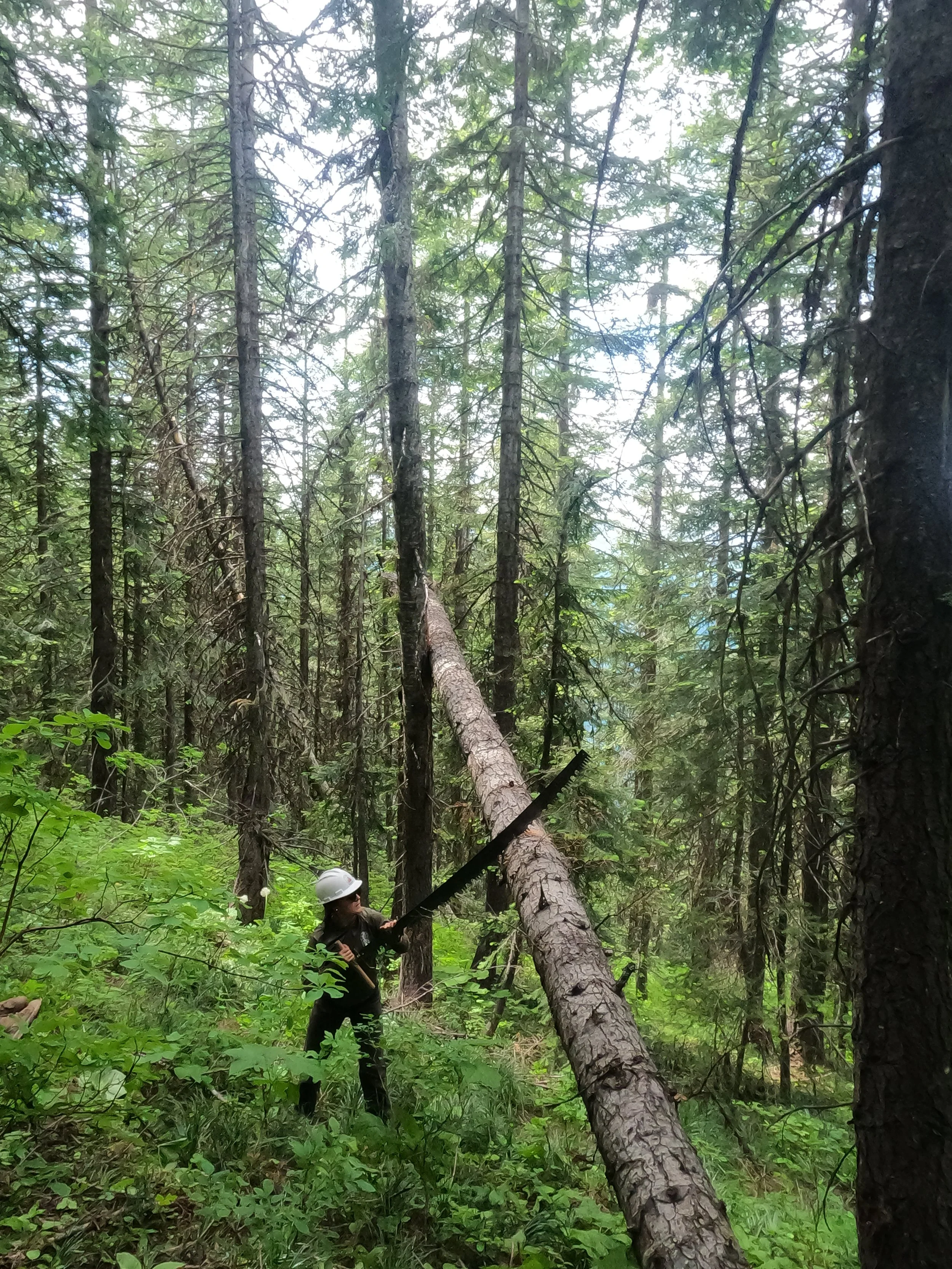
Emma Cianek single bucking a hang-up to clear the 62 Ridge Trail (#606)
The crunch. The freshness. The opportunities. My crew lead, Emma, and I spent a day cutting trees separate from the rest of the group, so we had a separate lunch break after we successfully cleared a big pile-up. Emma put carrots into her wrap, along with a few other forms of nutrients, and as the crunch echoed through the trees I found myself wishing I had something to munch on with that much crunch. Additionally, I have literally never seen baby carrots go bad. I don’t know how that works. What I do know is they are a great backcountry option. With days pushing 90ºF, many things end up being gross by the latter end of the hitch but Emma’s carrots stood the test of time. Carrots may weigh more than dried fruit, but having some reliable fresh veggies to snack on seems worth it to me.
5. 3lbs of peanut butter
Need I say more? It's nearly half a pound of protein-packed calories per day. And interns gotta eat.
6. Ramen
I know what you are thinking.
“Riley, that is literally a textbook grocery store backpacking dinner.”
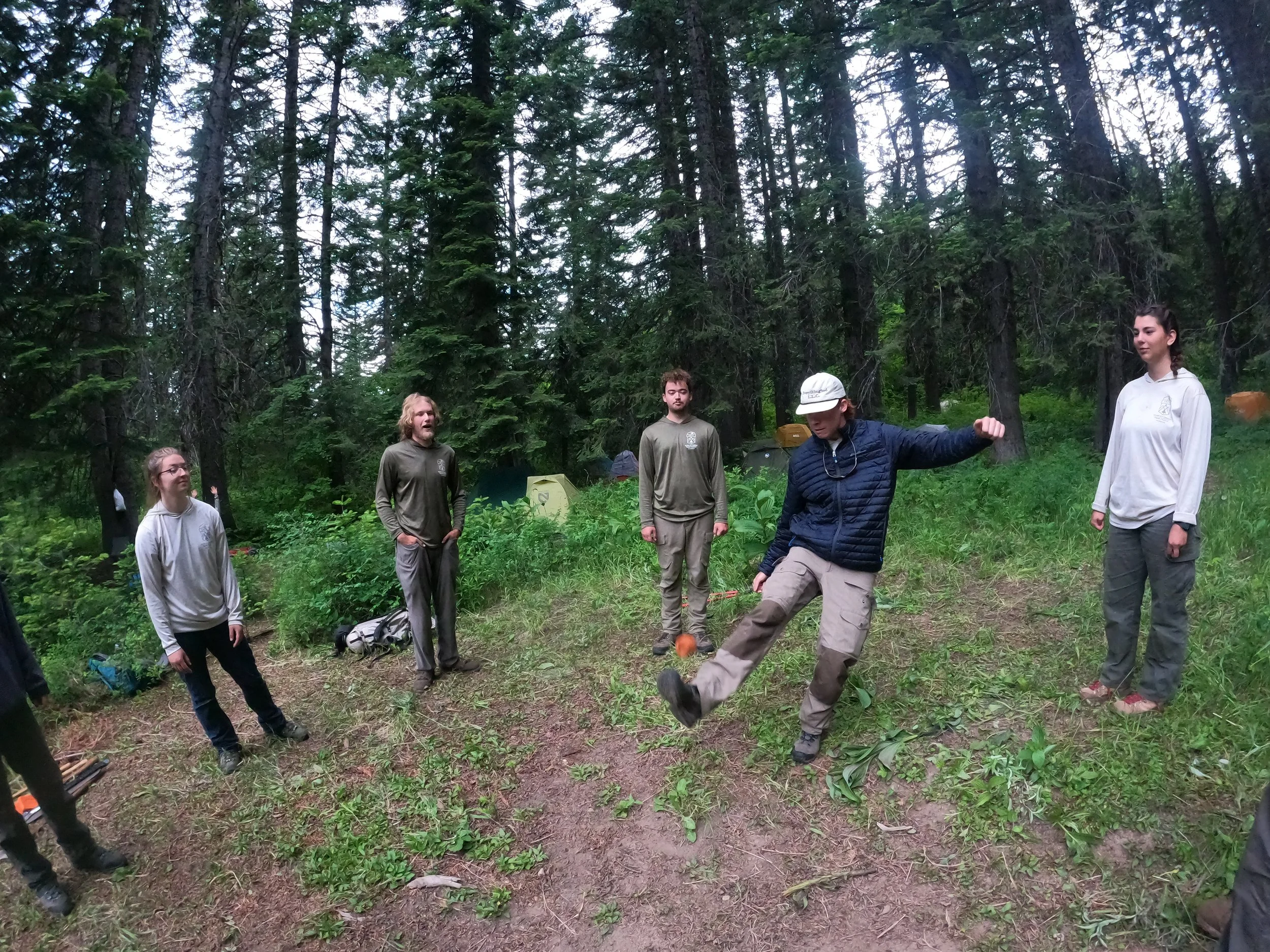
Andrew Geiselhart keeping the hacky sack circle alive at Bear Wallow while Amelia Green, Nathan Grooms, Abe Wilkinson, and Darby Hannon watch with anticipation.
Yes, that is true. However, previous to this job I had never thought of it as a breakfast option. If you are tired of oatmeal or you just like a savory breakfast, ramen is the same weight and is just as fast to make in the morning. And when your crew lead says to try something, you try it (so I did). I will say, after the ramen breakfast I felt like I added more to our daily morning hacky sack than usual.
While this is not a comprehensive list of the uncommon food items that we brought, it gives a look into the vast options you have when you apply a wider lens to backcountry calories. I now feel I have a lot more to choose from when I’m heading to WinCo on the Tuesday before a hitch. Going forward, I feel much less trapped in the endless loop of oatmeal, ramen, and bagged tuna.
Mountain View, CA
Colorado College: Ecology and Organismal Biology
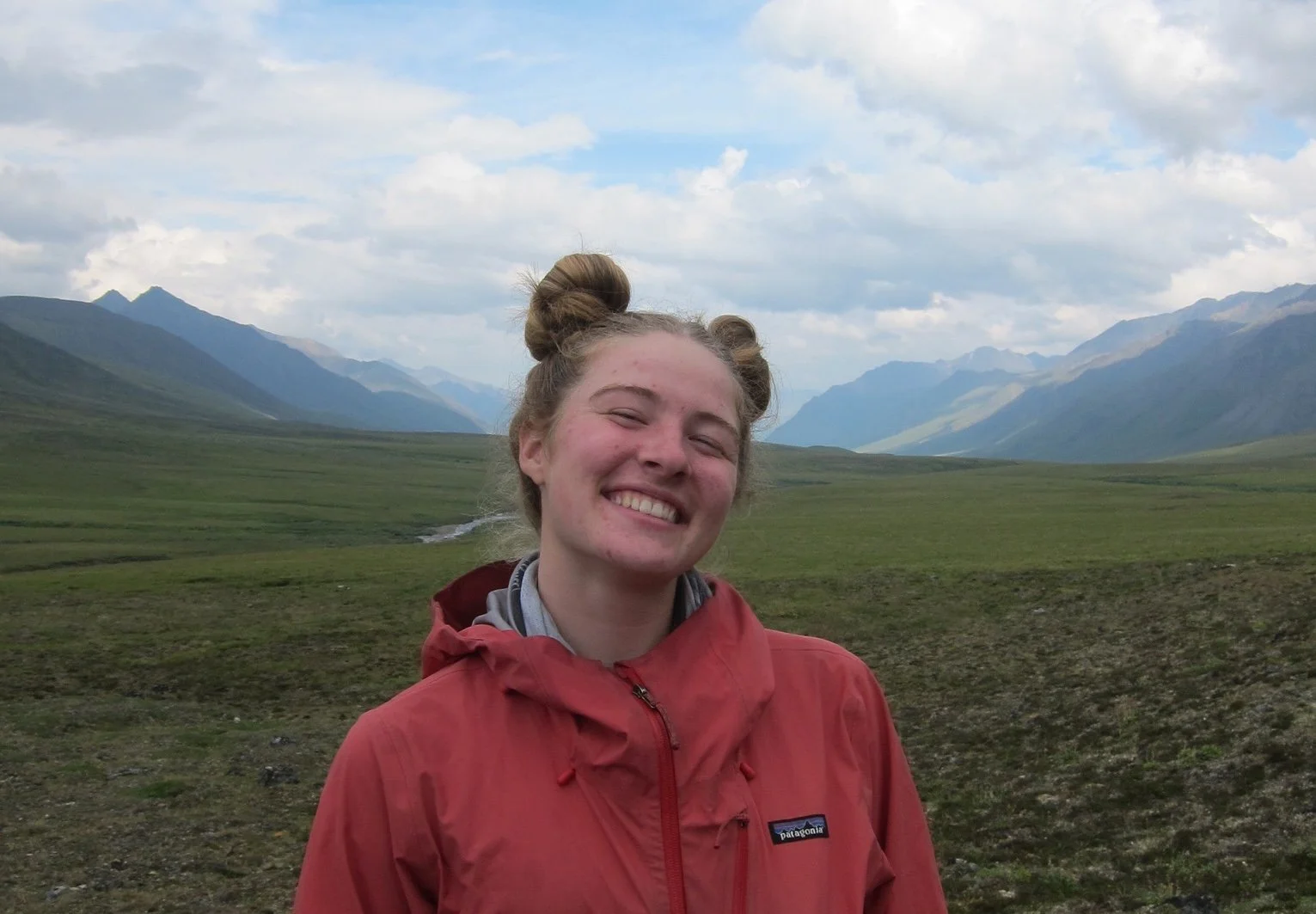
Riley was introduced to the outdoors through canoeing and backpacking trips in Maine, where she grew up. These experiences sparked her interest in ecology and conservation, which she now studies in college. As she got older, she began to see how time spent outdoors contributed to her personal growth, leading her to guide wilderness trips for youth over the past two summers. Through this work, she learned firsthand how access to wild places can broaden perspectives and support conservation efforts. She is excited to help provide outdoor access in a new way this summer!